
School Christmas Service

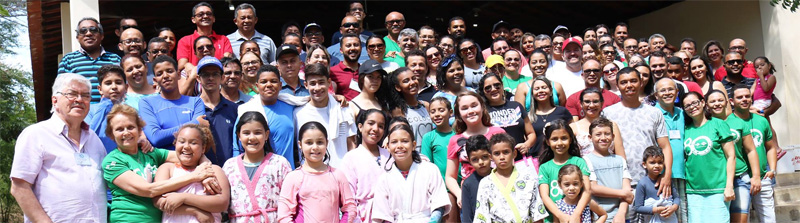
On Tuesday evening we held our Christmas service at the Pastor Frank Dyer School in the borough of Jatobá on the south side of Patos. The service was held in the street in front of the school as we have nowhere else to fit such a crowd of children and their parents. There were different presentations from classes of children such as a poem, songs, dance etc. It all went off beautifully. At the end head-teacher Gerlania led the giving of presents to the children and served up a snack to them all. We praise God for our Patos school which this year won top place in Patos once again.  

I have finished reading the book ‘The Covent Garden Murder’ written by my good friend Mike Hollow. As always it was a very good read. This was book number 8 in his Blitz Detective series and I have thoroughly enjoyed them all, find them very relaxing and highly recommend them. Mike might like to learn that I once sang on the Covent Garden Opera House stage when I was a teenager back in the 1960s, so that’s the nearest I’ll ever get into one of his books! What about a murder in Portobello Road Mike? That would really be my neck of the woods!

Every morning I read the ‘Folha de São Paulo’ newspaper, which I subscribe to on line for my Brazilian news. I also enjoy watching the commentaries by Brazilian journalist Reinaldo Azevedo on Instagram. For international news I depend on the twice daily BBC news briefing updates. 

Liz went to the Women’s Fellowship’s end-of-year party last night which went off very nicely she tells me. Parallel to this our Drama group had their end-of-year party too.

3 were baptized at the weekend at our Princesa Isabel church. Praise God!

Continue Reading

Leviticus 12 (résumé): Purification after Childbirth

This short chapter of just 8 verses again transmits contrasting cultural concepts difficult to handle in our day and age. For if a woman gives birth to a son she will be considered ceremonially unclean for 7 days plus an extra 33 days before she can go to church (tabernacle). However if she has a daughter then she will be unclean for an initial 14 days plus an extra 66 days before she can go to church (tabernacle)! This chapter also makes it quite clear that the normal woman’s monthly period was considered to be a time of impurity.

When the mother’s period of purification was completed (7 + 33 days in the case of a boy or 14 + 66 days in the case of a girl) then the mother needed to offer sacrifices at the tabernacle of a lamb plus a pigeon or dove, but if she was poor she could offer just 2 pigeons or doves. 

Continue Reading

Leviticus 12 (résumé): Purification after Childbirth

This short chapter of just 8 verses again transmits contrasting cultural concepts difficult to handle in our day and age. For if a woman gives birth to a son she will be considered ceremonially unclean for 7 days plus an extra 33 days before she can go to church (tabernacle). However if she has a daughter then she will be unclean for an initial 14 days plus an extra 66 days before she can go to church (tabernacle)! This chapter also makes it quite clear that the normal woman’s monthly period was considered to be a time of impurity.

When the mother’s period of purification was completed (7 + 33 days in the case of a boy or 14 + 66 days in the case of a girl) then the mother needed to offer sacrifices at the tabernacle of a lamb plus a pigeon or dove, but if she was poor she could offer just 2 pigeons or doves. 

Continue Reading

Leviticus 11 (résumé): Clean & Unclean Food

This is a chapter that at times makes strange reading being from a culture separated by millenniums. Upon defining clean and unclean animals the defining factors were its hoofs and its digestive system. For if an animal had a split hoof and chewed the cud it was deemed eatable, but if it only came under one of these categories, such as the coney, rabbit or pig, then it was classed as unclean.

In the case of aquatic creatures the defining factors were fins and scales so that any creature without these was defined as detestable. 

Understandably birds of prey and scavengers were classed as unclean such as eagles, vultures, kites, owls, cormorant, osprey, hawks, stork, heron, hoopoe and bat.

I personally would not be partial to eating insects, but locusts, crickets and grasshoppers were said to be alright to eat, whereas other winged insects with 4 legs were taboo. 

In all the cases of unclean creatures even contact with their carcasses rendered the person unclean until the evening and they had to wash their clothes. 

Animals that move close to the ground were also deemed unclean such as the weasel, rat, mouse, lizards and chameleon, as were creatures that moved on their bellies such as snakes and worms. 

God therefore requested strict obedience to this food code because the Israelites had to be holy as God is holy. 

Continue Reading

Leviticus 11 (résumé): Clean & Unclean Food

This is a chapter that at times makes strange reading being from a culture separated by millenniums. Upon defining clean and unclean animals the defining factors were its hoofs and its digestive system. For if an animal had a split hoof and chewed the cud it was deemed eatable, but if it only came under one of these categories, such as the coney, rabbit or pig, then it was classed as unclean.

In the case of aquatic creatures the defining factors were fins and scales so that any creature without these was defined as detestable. 

Understandably birds of prey and scavengers were classed as unclean such as eagles, vultures, kites, owls, cormorant, osprey, hawks, stork, heron, hoopoe and bat.

I personally would not be partial to eating insects, but locusts, crickets and grasshoppers were said to be alright to eat, whereas other winged insects with 4 legs were taboo. 

In all the cases of unclean creatures even contact with their carcasses rendered the person unclean until the evening and they had to wash their clothes. 

Animals that move close to the ground were also deemed unclean such as the weasel, rat, mouse, lizards and chameleon, as were creatures that moved on their bellies such as snakes and worms. 

God therefore requested strict obedience to this food code because the Israelites had to be holy as God is holy. 

Continue Reading

Leviticus 10 (résumé): The Death of Nadab & Abihu

Aaron’s elder sons Nadab and Abihu went into the tabernacle and offered an incense offering before God, but in some way they introduced fire in the wrong way which infuriated God and cost them their lives. The details of the exact nature of this sin are not clear, but the message of the utter ruthlessness of God’s holiness is only too transparent.  Aaron and his remaining sons Eleazar and Ithamar were prohibited from mourning and they were also prohibited from consuming fermented drink when they were going to enter the tabernacle. As priests they had to set a clear example of holiness and teach all the decrees of the Lord.

Moses reminded Aaron and his sons to carry out their duties as decreed by God because he was angry with Eleazar and Ithamar for not having eaten as required the meat from the sin offering, but Aaron explained that they had omitted this under the sad circumstances of the day, and Moses accepted this explanation. 

Continue Reading

Leviticus 10 (résumé): The Death of Nadab & Abihu

Aaron’s elder sons Nadab and Abihu went into the tabernacle and offered an incense offering before God, but in some way they introduced fire in the wrong way which infuriated God and cost them their lives. The details of the exact nature of this sin are not clear, but the message of the utter ruthlessness of God’s holiness is only too transparent.  Aaron and his remaining sons Eleazar and Ithamar were prohibited from mourning and they were also prohibited from consuming fermented drink when they were going to enter the tabernacle. As priests they had to set a clear example of holiness and teach all the decrees of the Lord.

Moses reminded Aaron and his sons to carry out their duties as decreed by God because he was angry with Eleazar and Ithamar for not having eaten as required the meat from the sin offering, but Aaron explained that they had omitted this under the sad circumstances of the day, and Moses accepted this explanation. 

Continue Reading

Leviticus 9 (résumé): The Priests begin their Ministry

After the priests had completed their 7 days of ordination they started out into their ministry. Aaron brought a bull calf as a sin offering and a ram for a burnt offering, and the people brought a male goat as a sin offering, a calf and a lamb as a burnt offering, and a cow and a ram as a fellowship/peace offering.

Aaron and his sons first of all sacrificed their animals before the Lord, put the blood on the horns of the altar and burnt them as appropriate. They then did the same with the people’s sin, burnt and grain offerings, prior to slaughtering the cow and ram as the fellowship/peace offering. Aaron then waved the breasts before the Lord as a wave offering.

After all the sacrifices were completed Aaron stepped outside where the people were gathered and blessed them. Then Moses and Aaron went into the tabernacle and when they came out there was an intense sense of the presence of the Lord and the glory of God appeared to all the people. Fire came down from God and consumed the burnt offering on the altar and the people shouted for joy and bowed down before God.

Continue Reading

Leviticus 9 (résumé): The Priests begin their Ministry

After the priests had completed their 7 days of ordination they started out into their ministry. Aaron brought a bull calf as a sin offering and a ram for a burnt offering, and the people brought a male goat as a sin offering, a calf and a lamb as a burnt offering, and a cow and a ram as a fellowship/peace offering.

Aaron and his sons first of all sacrificed their animals before the Lord, put the blood on the horns of the altar and burnt them as appropriate. They then did the same with the people’s sin, burnt and grain offerings, prior to slaughtering the cow and ram as the fellowship/peace offering. Aaron then waved the breasts before the Lord as a wave offering.

After all the sacrifices were completed Aaron stepped outside where the people were gathered and blessed them. Then Moses and Aaron went into the tabernacle and when they came out there was an intense sense of the presence of the Lord and the glory of God appeared to all the people. Fire came down from God and consumed the burnt offering on the altar and the people shouted for joy and bowed down before God.

Continue Reading

Leviticus 9 (résumé): The Priests begin their Ministry

After the priests had completed their 7 days of ordination they started out into their ministry. Aaron brought a bull calf as a sin offering and a ram for a burnt offering, and the people brought a male goat as a sin offering, a calf and a lamb as a burnt offering, and a cow and a ram as a fellowship/peace offering.

Aaron and his sons first of all sacrificed their animals before the Lord, put the blood on the horns of the altar and burnt them as appropriate. They then did the same with the people’s sin, burnt and grain offerings, prior to slaughtering the cow and ram as the fellowship/peace offering. Aaron then waved the breasts before the Lord as a wave offering.

After all the sacrifices were completed Aaron stepped outside where the people were gathered and blessed them. Then Moses and Aaron went into the tabernacle and when they came out there was an intense sense of the presence of the Lord and the glory of God appeared to all the people. Fire came down from God and consumed the burnt offering on the altar and the people shouted for joy and bowed down before God.

Continue Reading

Leviticus 8 (résumé): The Ordination of Aaron & his Sons

 God told Moses to gather all the Israelites in front of the tabernacle and prepare to ordain Aaron and his sons, bringing a bull, 2 rams and a basket of bread ready for the ceremony. Then Moses washed Aaron and his sons before dressing Aaron with the full high priestly regalia. 

Then Moses anointed the tabernacle and everything in it and anointed Aaron too representing the Holy Spirit giving power for service. He also brought Aaron’s sons forward and dressed them with tunics, sashes and headbands. 

Aaron and his sons then put their hands on the bulls head before slaughtering it as a sin offering, and put some of its blood on the horns of the altar. They then burnt the kidneys, liver and fat on the altar before burning the rest of the bull outside the camp.

Aaron and his sons then put their hands on one of the ram’s heads before killing it and sprinkling its blood on the altar. He then burnt the ram as a burnt offering unto the Lord. 

Moses then took the other ram to offer it as the ordination sacrifice and Aaron and his sons put their hands on its head before Moses killed it. He put some of the animal’s blood on the right ear lobes of Aaron and his son’s, plus on their right thumbs and right big toes! Then they waved parts of this ram as a wave offering to God before burning it on the altar.

Then Moses anointed Aaron and his sons and consecrated them to the priestly ministry. They then cooked the outstanding meat and ate it with the bread, and they remained in the tabernacle for 7 days of consecration. 

Continue Reading

Choir

Sunday night’s service was wonderful with a 40-person choir from our Campina Grande Catolé church singing an outstanding 45-minute cantata called ‘An Unforgettable Christmas’. It was a real blessing. We rented a coach to bring them and fed them with hot dogs and mousse after the service before they headed home. I led the service and I preached after the cantata. It was a great night.

We have a large green lizard called an Iguana, about half a metre long, living in our garden in Patos and it deposits its poop every night beside the right hand back wheel of the Kombi!

I had my hair cut yesterday for Christmas. I hope you like it! 😇

Last night we had our church council end of year party together with the different church ministries’ leaders. We did a special commemoration of our most senior deaconess Beatriz who at 89 is a credit to the Gospel. We all ate pizza together, had long chats and fun, ending in prayer. It was a lovely night of fellowship. At the end of our evening, when most of the 20 present had gone, a poor middle-aged lady came up to me and asked me if I was going to take the left-over slices of pizza home with me? When I told her she could have them I thought she was going to kiss and hug me! It was lovely to round the night off giving someone in great need a little Christmas present. 

Continue Reading

Choir

Sunday night’s service was wonderful with a 40-person choir from our Campina Grande Catolé church singing an outstanding 45-minute cantata called ‘An Unforgettable Christmas’. It was a real blessing. We rented a coach to bring them and fed them with hot dogs and mousse after the service before they headed home. I led the service and I preached after the cantata. It was a great night.

We have a large green lizard called an Iguana, about half a metre long, living in our garden in Patos and it deposits its poop every night beside the right hand back wheel of the Kombi!

I had my hair cut yesterday for Christmas. I hope you like it! 😇

Last night we had our church council end of year party together with the different church ministries’ leaders. We did a special commemoration of our most senior deaconess Beatriz who at 89 is a credit to the Gospel. We all ate pizza together, had long chats and fun, ending in prayer. It was a lovely night of fellowship. At the end of our evening, when most of the 20 present had gone, a poor middle-aged lady came up to me and asked me if I was going to take the left-over slices of pizza home with me? When I told her she could have them I thought she was going to kiss and hug me! It was lovely to round the night off giving someone in great need a little Christmas present. 

Continue Reading

Leviticus 7 (résumé): Regulations for different Offerings

This chapter starts by presenting regulations for the guilt offering stating that the animal’s blood was to be sprinkled on all sides of the altar and all the fat was to be burnt. The priest may keep the hide and eat the meat with the other priests in the holy place. A part of a grain offering would be kept by the offering priest and if flour was brought as a grain offering the priest’s part would be shared by all of Aaron’s sons.

In the case of fellowship or peace offerings expressing thankfulness the animal to be sacrificed should be brought together with bread, wafers or cakes made without yeast mixed with oil. The meat should be eaten on the day of the sacrifice. However if the offering is the result of a vow or is a freewill offering then in this case the meat can be eaten up to the day following the sacrifice. The fellowship/peace offering could not come into contact with anything or person unclean. 

It was stressed that nobody should eat fat (a very healthy recommendation) nor blood. Anyone consuming blood would be excommunicated, banished and ostracized. 

The person offering an animal as a fellowship/peace offering should separate the fat, breast and thighs. He should burn the fat, wave the breast as a wave offering before the Lord and then give it to the priest, and following this he should give the right thigh to the priest too.

Continue Reading

Leviticus 7 (résumé): Regulations for different Offerings

This chapter starts by presenting regulations for the guilt offering stating that the animal’s blood was to be sprinkled on all sides of the altar and all the fat was to be burnt. The priest may keep the hide and eat the meat with the other priests in the holy place. A part of a grain offering would be kept by the offering priest and if flour was brought as a grain offering the priest’s part would be shared by all of Aaron’s sons.

In the case of fellowship or peace offerings expressing thankfulness the animal to be sacrificed should be brought together with bread, wafers or cakes made without yeast mixed with oil. The meat should be eaten on the day of the sacrifice. However if the offering is the result of a vow or is a freewill offering then in this case the meat can be eaten up to the day following the sacrifice. The fellowship/peace offering could not come into contact with anything or person unclean. 

It was stressed that nobody should eat fat (a very healthy recommendation) nor blood. Anyone consuming blood would be excommunicated, banished and ostracized. 

The person offering an animal as a fellowship/peace offering should separate the fat, breast and thighs. He should burn the fat, wave the breast as a wave offering before the Lord and then give it to the priest, and following this he should give the right thigh to the priest too.

Continue Reading

Leviticus 7 (résumé): Regulations for different Offerings

This chapter starts by presenting regulations for the guilt offering stating that the animal’s blood was to be sprinkled on all sides of the altar and all the fat was to be burnt. The priest may keep the hide and eat the meat with the other priests in the holy place. A part of a grain offering would be kept by the offering priest and if flour was brought as a grain offering the priest’s part would be shared by all of Aaron’s sons.

In the case of fellowship or peace offerings expressing thankfulness the animal to be sacrificed should be brought together with bread, wafers or cakes made without yeast mixed with oil. The meat should be eaten on the day of the sacrifice. However if the offering is the result of a vow or is a freewill offering then in this case the meat can be eaten up to the day following the sacrifice. The fellowship/peace offering could not come into contact with anything or person unclean. 

It was stressed that nobody should eat fat (a very healthy recommendation) nor blood. Anyone consuming blood would be excommunicated, banished and ostracized. 

The person offering an animal as a fellowship/peace offering should separate the fat, breast and thighs. He should burn the fat, wave the breast as a wave offering before the Lord and then give it to the priest, and following this he should give the right thigh to the priest too.

Continue Reading

Honorary Citizen

On Friday Liz and I travelled up the Teixeira Mountain to Matureia for a ceremony at the town council to receive honorary citizenship. The council even had the town’s band to play for us! Our local pastor Renilson and his wife Getiane were there with us and they received an award also for their service to Matureia. We were all served a tasty snack after the ceremony. This means I now have received honorary citizenships from 5 towns: Patos, Imaculada, São Mamede, Manaira and Matureia. I also received honorary citizenship of the whole State of Paraíba back in 2004. All glory be to God! It is a joy to serve God and one’s fellow man. 


We have just dispatched some Christmas hampers through a lady called Florzinha who runs a donkey cart delivery service with a donkey called Popeye! Liz and Florzinha are good friends and they work together to discreetly reach the poorest of the poor. Pastor Nemias at our Flores church has also been distributing Christmas hampers. 

I have just eaten a custard apple which was utterly delicious. 😋

QPR have extended their unbeaten run to 6 games with a 1 x 1 draw away at Bristol City.

Yesterday was our daughter Lynn’s birthday so Liz cooked sweet and sour chicken for her for her lunch.
Continue Reading

Honorary Citizen

On Friday Liz and I travelled up the Teixeira Mountain to Matureia for a ceremony at the town council to receive honorary citizenship. The council even had the town’s band to play for us! Our local pastor Renilson and his wife Getiane were there with us and they received an award also for their service to Matureia. We were all served a tasty snack after the ceremony. This means I now have received honorary citizenships from 5 towns: Patos, Imaculada, São Mamede, Manaira and Matureia. I also received honorary citizenship of the whole State of Paraíba back in 2004. All glory be to God! It is a joy to serve God and one’s fellow man. 


We have just dispatched some Christmas hampers through a lady called Florzinha who runs a donkey cart delivery service with a donkey called Popeye! Liz and Florzinha are good friends and they work together to discreetly reach the poorest of the poor. Pastor Nemias at our Flores church has also been distributing Christmas hampers. 

I have just eaten a custard apple which was utterly delicious. 😋

QPR have extended their unbeaten run to 6 games with a 1 x 1 draw away at Bristol City.

Yesterday was our daughter Lynn’s birthday so Liz cooked sweet and sour chicken for her for her lunch.
Continue Reading

Leviticus 6 (résumé): Guilt, Burnt, Grain and Sin Offerings

This chapter starts by adding instructions for guilt offerings in the case of theft, deception, cheating, lying and false oaths. In such cases restitution must occur, plus 20%, on the day of the guilt offering, which should be a ram without defect, and which will lead to the offender’s forgiveness. 

Then come further instructions concerning the burnt offering and it is stressed 5 times that the fire must be perpetual and must never go out. (full of spiritual implications for us) Animals burnt on the bronze altar were to burn all night and then the ashes were to be disposed of outside the camp in a ceremonially clean location. 

This is followed by regulations of grain offerings when a handful of fine flour would be burnt and the rest of the offering be kept by the priest to be eaten as baked yeast-free bread. 

On the day Aaron was anointed high priest he and his priestly sons were to offer about 200 ml of fine flour as a grain offering with half in the morning and half in the evening. This offering was to be prepared by the son chosen to eventually succeed Aaron as high priest, and the offering was to be completely burnt with nothing eaten.

In the case of sin offerings the priests who sacrifice the animal should eat the meat in the tabernacle’s courtyard. If it was cooked in a clay pot this should subsequently be broken, but in the case of a bronze pot it should be washed.

Continue Reading

Leviticus 6 (résumé): Guilt, Burnt, Grain and Sin Offerings

This chapter starts by adding instructions for guilt offerings in the case of theft, deception, cheating, lying and false oaths. In such cases restitution must occur, plus 20%, on the day of the guilt offering, which should be a ram without defect, and which will lead to the offender’s forgiveness. 

Then come further instructions concerning the burnt offering and it is stressed 5 times that the fire must be perpetual and must never go out. (full of spiritual implications for us) Animals burnt on the bronze altar were to burn all night and then the ashes were to be disposed of outside the camp in a ceremonially clean location. 

This is followed by regulations of grain offerings when a handful of fine flour would be burnt and the rest of the offering be kept by the priest to be eaten as baked yeast-free bread. 

On the day Aaron was anointed high priest he and his priestly sons were to offer about 200 ml of fine flour as a grain offering with half in the morning and half in the evening. This offering was to be prepared by the son chosen to eventually succeed Aaron as high priest, and the offering was to be completely burnt with nothing eaten.

In the case of sin offerings the priests who sacrifice the animal should eat the meat in the tabernacle’s courtyard. If it was cooked in a clay pot this should subsequently be broken, but in the case of a bronze pot it should be washed.

Continue Reading

Leviticus 5 (résumé): Dealing with Sin & Guilt

This chapter helps the Israelite to handle guilt, sin and the question of restitution. It says that if a person sins by failing to testify about a wrongdoing that he witnessed, or by touching unclean things even though he does so unknowingly, or by thoughtlessly swearing to do something, then he was to bring a female lamb or goat to the priest as an atoning sin offering. 

However if the person couldn’t afford a sheep or goat he was to bring 2 doves or 2 young pigeons. The priest would wring one bird’s neck as a sin offering and then burn the other one as a burnt offering.

But if the person could not even afford this then he should bring fine flour as his sin offering and the priest would burn a small part of it and keep the rest.

However in the case of unintentional sin which affects God’s holy things, such as the withholding of tithes, offerings, firstlings etc. then the sinner must bring a ram as a guilt offering. He must also make restitution for his mistake adding 20% to its value and give it to the priest.

Continue Reading

Leviticus 5 (résumé): Dealing with Sin & Guilt

This chapter helps the Israelite to handle guilt, sin and the question of restitution. It says that if a person sins by failing to testify about a wrongdoing that he witnessed, or by touching unclean things even though he does so unknowingly, or by thoughtlessly swearing to do something, then he was to bring a female lamb or goat to the priest as an atoning sin offering. 

However if the person couldn’t afford a sheep or goat he was to bring 2 doves or 2 young pigeons. The priest would wring one bird’s neck as a sin offering and then burn the other one as a burnt offering.

But if the person could not even afford this then he should bring fine flour as his sin offering and the priest would burn a small part of it and keep the rest.

However in the case of unintentional sin which affects God’s holy things, such as the withholding of tithes, offerings, firstlings etc. then the sinner must bring a ram as a guilt offering. He must also make restitution for his mistake adding 20% to its value and give it to the priest.

Continue Reading

President Lula

Brazilian President Lula is in hospital recovering from surgery to remove a brain clot, resultant from a fall he had whilst cutting his toe nails on the 19th of October.

QPR have beaten Oxford at home 2 x 0 to take their unbeaten run to 5 matches. This means we have soared to 19th place in the Championship! 😀

This coming Sunday I will be preaching about the faith of the Christmas figures (Zechariah, Mary, Joseph, the Shepherds and the Wise Men) and we will have the choir from our Campina Grande Catolé church singing a Christmas cantata. 

Today we will be travelling up the mountain to Matureia where I will be receiving the ‘Freedom of the Town’ and ‘Honorary Citizenship of Matureia’ from the town council, in recognition of the work I have done there. All glory be to God!

Last night I led the mid-week prayer meeting and Bible study and assistant pastor Rafael brought the study starting in the book of Micah with the first 2 verses. It was a good service.

Continue Reading

President Lula

Brazilian President Lula is in hospital recovering from surgery to remove a brain clot, resultant from a fall he had whilst cutting his toe nails on the 19th of October.

QPR have beaten Oxford at home 2 x 0 to take their unbeaten run to 5 matches. This means we have soared to 19th place in the Championship! 😀

This coming Sunday I will be preaching about the faith of the Christmas figures (Zechariah, Mary, Joseph, the Shepherds and the Wise Men) and we will have the choir from our Campina Grande Catolé church singing a Christmas cantata. 

Today we will be travelling up the mountain to Matureia where I will be receiving the ‘Freedom of the Town’ and ‘Honorary Citizenship of Matureia’ from the town council, in recognition of the work I have done there. All glory be to God!

Last night I led the mid-week prayer meeting and Bible study and assistant pastor Rafael brought the study starting in the book of Micah with the first 2 verses. It was a good service.

Continue Reading

Leviticus 4 (résumé): The Sin Offering

This chapter contains instructions concerning the atonement for unintentional sin practiced by the following categories of Israelites:

First of all in the case of a priest sinning he should sacrifice a young bull without defect, lay his hand on its head and slaughter it at the entrance to the tabernacle. He should then dip his finger in the blood and sprinkle some of it 7 times in front of the curtain of the sanctuary, put blood on the horns of the altar of incense and pour the rest at the base of the altar of burnt offering. He shall then burn the fat of the kidneys, liver and loins on the altar of burnt offering before burning the rest outside of the camp.

Similarly in the case of the nation of Israel sinning a young bull should be brought to the tabernacle and all the elders of Israel should put their hand on its head prior to its slaughter. The same ritual as previous would then ensue. 

In the case of a leader of Israel sinning he would need to bring a male goat as a sacrifice and would need to follow the same ritual as previously prescribed for the priest and nation. 

In the case of a common Israelite citizen they should bring as a sacrifice a female sheep or goat and then follow the same ritual as previously prescribed.

Continue Reading

Leviticus 4 (résumé): The Sin Offering

This chapter contains instructions concerning the atonement for unintentional sin practiced by the following categories of Israelites:

First of all in the case of a priest sinning he should sacrifice a young bull without defect, lay his hand on its head and slaughter it at the entrance to the tabernacle. He should then dip his finger in the blood and sprinkle some of it 7 times in front of the curtain of the sanctuary, put blood on the horns of the altar of incense and pour the rest at the base of the altar of burnt offering. He shall then burn the fat of the kidneys, liver and loins on the altar of burnt offering before burning the rest outside of the camp.

Similarly in the case of the nation of Israel sinning a young bull should be brought to the tabernacle and all the elders of Israel should put their hand on its head prior to its slaughter. The same ritual as previous would then ensue. 

In the case of a leader of Israel sinning he would need to bring a male goat as a sacrifice and would need to follow the same ritual as previously prescribed for the priest and nation. 

In the case of a common Israelite citizen they should bring as a sacrifice a female sheep or goat and then follow the same ritual as previously prescribed.

Continue Reading

Leviticus 4 (résumé): The Sin Offering

This chapter contains instructions concerning the atonement for unintentional sin practiced by the following categories of Israelites:

First of all in the case of a priest sinning he should sacrifice a young bull without defect, lay his hand on its head and slaughter it at the entrance to the tabernacle. He should then dip his finger in the blood and sprinkle some of it 7 times in front of the curtain of the sanctuary, put blood on the horns of the altar of incense and pour the rest at the base of the altar of burnt offering. He shall then burn the fat of the kidneys, liver and loins on the altar of burnt offering before burning the rest outside of the camp.

Similarly in the case of the nation of Israel sinning a young bull should be brought to the tabernacle and all the elders of Israel should put their hand on its head prior to its slaughter. The same ritual as previous would then ensue. 

In the case of a leader of Israel sinning he would need to bring a male goat as a sacrifice and would need to follow the same ritual as previously prescribed for the priest and nation. 

In the case of a common Israelite citizen they should bring as a sacrifice a female sheep or goat and then follow the same ritual as previously prescribed.

Continue Reading

Leviticus 3 (résumé):The Peace or Fellowship Offering

There is no consensus amongst theologians on the correct meaning of this offering which can either be translated ‘peace’ or ‘fellowship’ offering. It would seem to be a sacrifice for peace (shalom) and fellowship with God and one’s fellow man, who would be present to eat the resultant barbecue with the one offering the sacrifice.

The sacrifice could either be a bull, cow, sheep or goat without defect. The owner would put his hand on the animal’s head prior to slaughtering it at the entrance to the tabernacle and then its blood would be sprinkled on the sides of the altar. Following this the fat around the kidneys, liver and loins would be burnt on the altar. All the fat is the Lord’s. As I understand it this ritual would then be followed by a good ‘fellowship’ barbecue with the sacrifice’s proponent’s invited guests and families. (See further G. J. Wenham further on this)

Continue Reading

Leviticus 3 (résumé):The Peace or Fellowship Offering

There is no consensus amongst theologians on the correct meaning of this offering which can either be translated ‘peace’ or ‘fellowship’ offering. It would seem to be a sacrifice for peace (shalom) and fellowship with God and one’s fellow man, who would be present to eat the resultant barbecue with the one offering the sacrifice.

The sacrifice could either be a bull, cow, sheep or goat without defect. The owner would put his hand on the animal’s head prior to slaughtering it at the entrance to the tabernacle and then its blood would be sprinkled on the sides of the altar. Following this the fat around the kidneys, liver and loins would be burnt on the altar. All the fat is the Lord’s. As I understand it this ritual would then be followed by a good ‘fellowship’ barbecue with the sacrifice’s proponent’s invited guests and families. (See further G. J. Wenham further on this)

Continue Reading

Leviticus 3 (résumé):The Peace or Fellowship Offering

There is no consensus amongst theologians on the correct meaning of this offering which can either be translated ‘peace’ or ‘fellowship’ offering. It would seem to be a sacrifice for peace (shalom) and fellowship with God and one’s fellow man, who would be present to eat the resultant barbecue with the one offering the sacrifice.

The sacrifice could either be a bull, cow, sheep or goat without defect. The owner would put his hand on the animal’s head prior to slaughtering it at the entrance to the tabernacle and then its blood would be sprinkled on the sides of the altar. Following this the fat around the kidneys, liver and loins would be burnt on the altar. All the fat is the Lord’s. As I understand it this ritual would then be followed by a good ‘fellowship’ barbecue with the sacrifice’s proponent’s invited guests and families. (See further G. J. Wenham further on this)

Continue Reading

Leviticus 2 (résumé): The Grain Offering

As well as animal offerings (seen in the last chapter) grain offerings were also acceptable to God as a way of showing gratitude to him. These offerings were also a way to support and feed the priests and their families. Grain offerings could be made of fine flour mixed with oil and incense. A smaller part of the offering would be burnt on the altar by the priests and then the major part of the offering would belong to the priests.

Alternatively a grain offering could be made by baking a cake or wafer in an oven using oil but no yeast. In similar fashion cooking could be done on a griddle or in a pan and the priest would burn a smaller part of the cake on the altar prior to keeping the rest for himself. It was stressed not to use yeast or honey in the offering, but to add salt. 

Furthermore you could offer a grain offering with the first fruits from the harvest offering crushed heads of new grain roasted on the fire. 

Continue Reading

Leviticus 2 (résumé): The Grain Offering

As well as animal offerings (seen in the last chapter) grain offerings were also acceptable to God as a way of showing gratitude to him. These offerings were also a way to support and feed the priests and their families. Grain offerings could be made of fine flour mixed with oil and incense. A smaller part of the offering would be burnt on the altar by the priests and then the major part of the offering would belong to the priests.

Alternatively a grain offering could be made by baking a cake or wafer in an oven using oil but no yeast. In similar fashion cooking could be done on a griddle or in a pan and the priest would burn a smaller part of the cake on the altar prior to keeping the rest for himself. It was stressed not to use yeast or honey in the offering, but to add salt. 

Furthermore you could offer a grain offering with the first fruits from the harvest offering crushed heads of new grain roasted on the fire. 

Continue Reading

Leviticus 1 (résumé): The Burnt Offering

The book of Leviticus commences with instructions on how to carry out sacrifices as offerings unto God in the tabernacle. The somewhat gruesome slaughtering of bulls, sheep, goats, doves or pigeons stands in stark contrast with the gentle peaceful life of Christians in Christ, who with his death on the cross paid the definitive supreme sacrifice for the sin of the world.

First God instructs Moses on how to offer the sacrifice of a bull without defect as a burnt offering. The priest would place his hand on the bull’s head before killing it as a symbol of identification so that the sacrifice would make an atonement for him. The animal would then be killed and its blood be sprinkled on the altar, prior to skinning it, cutting it in pieces and then burning it all on the altar as a sacrifice to God.

Then follows similar instructions for the sacrifice of sheep or goats though such sacrifices curiously had to be carried out at the north side of the altar. The animal’s blood was sprinkled on the altar, then the animal was cut in pieces and burnt on the altar producing, as with the bulls and birds, a pleasing aroma to the Lord.

In the case of bird sacrifices these could either be doves or young pigeons. The priest should wring off the bird’s head and drain off its blood on the side of the altar, removing the crop which should be thrown on the east side of the altar, and tearing the bird open by the wings before burning it on the altar.

Continue Reading

Leviticus 1 (résumé): The Burnt Offering

The book of Leviticus commences with instructions on how to carry out sacrifices as offerings unto God in the tabernacle. The somewhat gruesome slaughtering of bulls, sheep, goats, doves or pigeons stands in stark contrast with the gentle peaceful life of Christians in Christ, who with his death on the cross paid the definitive supreme sacrifice for the sin of the world.

First God instructs Moses on how to offer the sacrifice of a bull without defect as a burnt offering. The priest would place his hand on the bull’s head before killing it as a symbol of identification so that the sacrifice would make an atonement for him. The animal would then be killed and its blood be sprinkled on the altar, prior to skinning it, cutting it in pieces and then burning it all on the altar as a sacrifice to God.

Then follows similar instructions for the sacrifice of sheep or goats though such sacrifices curiously had to be carried out at the north side of the altar. The animal’s blood was sprinkled on the altar, then the animal was cut in pieces and burnt on the altar producing, as with the bulls and birds, a pleasing aroma to the Lord.

In the case of bird sacrifices these could either be doves or young pigeons. The priest should wring off the bird’s head and drain off its blood on the side of the altar, removing the crop which should be thrown on the east side of the altar, and tearing the bird open by the wings before burning it on the altar.

Continue Reading

Leviticus 1 (résumé): The Burnt Offering

The book of Leviticus commences with instructions on how to carry out sacrifices as offerings unto God in the tabernacle. The somewhat gruesome slaughtering of bulls, sheep, goats, doves or pigeons stands in stark contrast with the gentle peaceful life of Christians in Christ, who with his death on the cross paid the definitive supreme sacrifice for the sin of the world.

First God instructs Moses on how to offer the sacrifice of a bull without defect as a burnt offering. The priest would place his hand on the bull’s head before killing it as a symbol of identification so that the sacrifice would make an atonement for him. The animal would then be killed and its blood be sprinkled on the altar, prior to skinning it, cutting it in pieces and then burning it all on the altar as a sacrifice to God.

Then follows similar instructions for the sacrifice of sheep or goats though such sacrifices curiously had to be carried out at the north side of the altar. The animal’s blood was sprinkled on the altar, then the animal was cut in pieces and burnt on the altar producing, as with the bulls and birds, a pleasing aroma to the Lord.

In the case of bird sacrifices these could either be doves or young pigeons. The priest should wring off the bird’s head and drain off its blood on the side of the altar, removing the crop which should be thrown on the east side of the altar, and tearing the bird open by the wings before burning it on the altar.

Continue Reading

Southern Wren

 As I sit here working in my office I can hear the song of the Southern Wren just outside the window, from the bushes in our garden called ‘Rainha do Prado‘. 

At the weekend 1 man was baptized at our Vazante church. Pastor Nezinho Abílio couldn’t conduct the baptism because he has his arm in a sling following his motorbike accident. At our Campina Grande Catolé church 12 were baptized. 2 of these were adolescent sons of church members who are autistic. At our Imaculada church 5 were baptized.

I am very happy to have finished my résumé of the book of Exodus completing its 40 chapters with the inauguration of the tabernacle. This means I am keeping up my average of over a chapter a day. Now here we go to Leviticus!

I have had an excellent meeting with our projects leaders Pastor Lindon Carlos (Imaculada) and Social Worker Marah Danielle (Patos) planning for wells, toilet/shower units, 4-Legs, market gardens and chicken runs in 2025. We value your prayers.

Last night we went to a flat-warming and birthday party at our granddaughter Louisa and her husband Tiago’s new flat. On the 9th was Tiago’s birthday and today is Louisa’s birthday. It was a lovely evening.

Continue Reading

Southern Wren

 As I sit here working in my office I can hear the song of the Southern Wren just outside the window, from the bushes in our garden called ‘Rainha do Prado‘. 

At the weekend 1 man was baptized at our Vazante church. Pastor Nezinho Abílio couldn’t conduct the baptism because he has his arm in a sling following his motorbike accident. At our Campina Grande Catolé church 12 were baptized. 2 of these were adolescent sons of church members who are autistic. At our Imaculada church 5 were baptized.

I am very happy to have finished my résumé of the book of Exodus completing its 40 chapters with the inauguration of the tabernacle. This means I am keeping up my average of over a chapter a day. Now here we go to Leviticus!

I have had an excellent meeting with our projects leaders Pastor Lindon Carlos (Imaculada) and Social Worker Marah Danielle (Patos) planning for wells, toilet/shower units, 4-Legs, market gardens and chicken runs in 2025. We value your prayers.

Last night we went to a flat-warming and birthday party at our granddaughter Louisa and her husband Tiago’s new flat. On the 9th was Tiago’s birthday and today is Louisa’s birthday. It was a lovely evening.

Continue Reading

Exodus 40 (résumé): Setting up the Tabernacle

On the first day of the first month of the second year God told Moses to set up the tabernacle. They placed the ark of the covenant in its rightful place in the tabernacle together with the table, the lampstand, the altar of incense, the basin on its stand and the altar of burnt offering. They placed all the curtains as the Lord had instructed and placed all the coverings over the tabernacle. They dressed Aaron and his sons in their priestly attire, washed them and anointed them consecrating them as priests. They set everything up as it should be and anointed everything. The altar of incense burned fragrant incense on it and on the altar of burnt offering they offered burnt offerings and grain offerings. And so Moses finished the work.

Then the cloud covered the tabernacle and the glory of the Lord filled the place making it impossible for Moses to enter owing to the overpowering presence of God. Thus the cloud was over the tabernacle by day and a cloud of fire was there by night, and the Israelites only moved on in their journey to Canaan’s land when the cloud moved.

Continue Reading

Exodus 40 (résumé): Setting up the Tabernacle

On the first day of the first month of the second year God told Moses to set up the tabernacle. They placed the ark of the covenant in its rightful place in the tabernacle together with the table, the lampstand, the altar of incense, the basin on its stand and the altar of burnt offering. They placed all the curtains as the Lord had instructed and placed all the coverings over the tabernacle. They dressed Aaron and his sons in their priestly attire, washed them and anointed them consecrating them as priests. They set everything up as it should be and anointed everything. The altar of incense burned fragrant incense on it and on the altar of burnt offering they offered burnt offerings and grain offerings. And so Moses finished the work.

Then the cloud covered the tabernacle and the glory of the Lord filled the place making it impossible for Moses to enter owing to the overpowering presence of God. Thus the cloud was over the tabernacle by day and a cloud of fire was there by night, and the Israelites only moved on in their journey to Canaan’s land when the cloud moved.

Continue Reading

Exodus 39 (résumé): The Priestly Garments

Now they made the priestly garments of woven yarn. They made the ephod (an apron or vestment) made of yarn and linen interwoven with strands of gold. 2 onyx stones were attached to the shoulder parts of the ephod with gold settings, and engraved on these were the names of the tribes of Israel.

Then they made the breastpiece, which was attached to the ephod with gold cords, and it had 12 precious stones mounted in gold with each engraved with the name of a tribe of Israel. 

A blue robe was then made for the priest, with yarn and linen pomegranates around the hem alternated with gold bells. A turban was made and a gold plate was attached to it with the inscription HOLY TO THE LORD.

So the work of the tabernacle was completed and everything had been done as God had commanded. Moses inspected everything, approved it all and blessed the people for their good work. 

Continue Reading

Exodus 39 (résumé): The Priestly Garments

Now they made the priestly garments of woven yarn. They made the ephod (an apron or vestment) made of yarn and linen interwoven with strands of gold. 2 onyx stones were attached to the shoulder parts of the ephod with gold settings, and engraved on these were the names of the tribes of Israel.

Then they made the breastpiece, which was attached to the ephod with gold cords, and it had 12 precious stones mounted in gold with each engraved with the name of a tribe of Israel. 

A blue robe was then made for the priest, with yarn and linen pomegranates around the hem alternated with gold bells. A turban was made and a gold plate was attached to it with the inscription HOLY TO THE LORD.

So the work of the tabernacle was completed and everything had been done as God had commanded. Moses inspected everything, approved it all and blessed the people for their good work. 

Continue Reading

Exodus 39 (résumé): The Priestly Garments

Now they made the priestly garments of woven yarn. They made the ephod (an apron or vestment) made of yarn and linen interwoven with strands of gold. 2 onyx stones were attached to the shoulder parts of the ephod with gold settings, and engraved on these were the names of the tribes of Israel.

Then they made the breastpiece, which was attached to the ephod with gold cords, and it had 12 precious stones mounted in gold with each engraved with the name of a tribe of Israel. 

A blue robe was then made for the priest, with yarn and linen pomegranates around the hem alternated with gold bells. A turban was made and a gold plate was attached to it with the inscription HOLY TO THE LORD.

So the work of the tabernacle was completed and everything had been done as God had commanded. Moses inspected everything, approved it all and blessed the people for their good work. 

Continue Reading

Exodus 38 (résumé): Altar of Burnt Offering & Courtyard

They built the Altar of Burnt Offering out of Acacia wood overlaid with bronze, measuring 1.3 metres high and 2.3 metres square, and with bronze horns on each corner. All the utensils were made of bronze as well as the rings for carrying, with the carrying poles made of wood overlaid with bronze. They then made a bronze basin and stand using the molten mirrors of the women! (There must be a spiritual message here!)

Next the Courtyard was made measuring 46 metres on the north and south sides (having 20 bronze pillars on each side) and measuring 23 metres on the east and west sides (having 10 bronze pillars on each side). The curtains were made of fine twisted linen and their hooks and bands were made of silver, but all the tent pegs were made of bronze.

An overall inventory of the materials used for the Tabernacle showed that a little over 1 ton of gold was used, with contributions from 603,550 men. 3.4 tons of silver were also used as were 2.4 tons of bronze. 

Continue Reading

Exodus 38 (résumé): Altar of Burnt Offering & Courtyard

They built the Altar of Burnt Offering out of Acacia wood overlaid with bronze, measuring 1.3 metres high and 2.3 metres square, and with bronze horns on each corner. All the utensils were made of bronze as well as the rings for carrying, with the carrying poles made of wood overlaid with bronze. They then made a bronze basin and stand using the molten mirrors of the women! (There must be a spiritual message here!)

Next the Courtyard was made measuring 46 metres on the north and south sides (having 20 bronze pillars on each side) and measuring 23 metres on the east and west sides (having 10 bronze pillars on each side). The curtains were made of fine twisted linen and their hooks and bands were made of silver, but all the tent pegs were made of bronze.

An overall inventory of the materials used for the Tabernacle showed that a little over 1 ton of gold was used, with contributions from 603,550 men. 3.4 tons of silver were also used as were 2.4 tons of bronze. 

Continue Reading

Exodus 37 (résumé): Ark, Table, Lampstand & Altar of Incense

Bezalel made the Ark of the Covenant out of Acacia wood measuring 1.1 metres long and 0.7 metres wide and high, and overlaid it with pure gold. He then made the atonement cover of pure gold with gold cherubins at the ends of the cover and whose wings spread across the ark and touched in the middle.

Then a table was made of acacia wood measuring 0.9 metres long, 0.5 metres wide and 0.7 metres high. It was all overlaid with gold including the attached rings and poles, and plates, ladles, bowls and pitchers were made of gold for drink offerings.

Next the Lampstand was made out of one block of solid gold weighing 34 kilos! It had a central branch with 3 sub-branches on each side having cups like almond flowers on each. The central shaft also had 4 cups like almond flowers. 

Then came the square wooden Altar of Incense covered with gold, with golden horns on each corner, plus poles and rods covered in gold. Then a perfumer made sacred anointing oil and pure fragrant incense.

Continue Reading

Exodus 37 (résumé): Ark, Table, Lampstand & Altar of Incense

Bezalel made the Ark of the Covenant out of Acacia wood measuring 1.1 metres long and 0.7 metres wide and high, and overlaid it with pure gold. He then made the atonement cover of pure gold with gold cherubins at the ends of the cover and whose wings spread across the ark and touched in the middle.

Then a table was made of acacia wood measuring 0.9 metres long, 0.5 metres wide and 0.7 metres high. It was all overlaid with gold including the attached rings and poles, and plates, ladles, bowls and pitchers were made of gold for drink offerings.

Next the Lampstand was made out of one block of solid gold weighing 34 kilos! It had a central branch with 3 sub-branches on each side having cups like almond flowers on each. The central shaft also had 4 cups like almond flowers. 

Then came the square wooden Altar of Incense covered with gold, with golden horns on each corner, plus poles and rods covered in gold. Then a perfumer made sacred anointing oil and pure fragrant incense.

Continue Reading

Exodus 36 (résumé): The Tabernacle

Bezalel, Oholiab and all the skilled craftsmen commenced on the big job of artistically creating the tabernacle and the people continued to donate for this. Eventually they had to halt donations because by that time they had more than enough materials.

The construction of the tabernacle started with making the doors, partitions and frames made from Acacia wood. This took place approximately 4 to 6 months after the Israelites’ deliverance from Egypt, and the tabernacle was completed about a year after the exodus. What is impressive are the artistic details like the cherubins embroidered into the curtains, the wood covered with gold, silver bases for the frames, the bronze basin with its stand, onyx stones and gems set into the priest’s ephod and breastplate etc. God’s dwelling place had to be perfect and was full of class, quality, art and beauty.

Continue Reading

Exodus 35 (résumé): Materials for the Tabernacle

Moses assembled the whole Israelite community and reminded them all never to work on the sabbath, not even was it permitted to light a fire, and the punishment for disobedience was death! 

Moses then made an appeal for donations of jewellery and materials from the people for the making of the tabernacle because they needed gold, silver, bronze, yarn, linen, goats hair, ram skins, sea cow hides, acacia wood, oil, incense and precious stones. They also needed skilled craftsmen to make the tabernacle, its curtains, furniture, and clothing, under the coordination of Bezalel and Oholiab who would be their spirit filled leaders in this work. The Israelites gave generously for this cause both from their possessions and from their skills.

Continue Reading

Exodus 35 (résumé): Materials for the Tabernacle

Moses assembled the whole Israelite community and reminded them all never to work on the sabbath, not even was it permitted to light a fire, and the punishment for disobedience was death! 

Moses then made an appeal for donations of jewellery and materials from the people for the making of the tabernacle because they needed gold, silver, bronze, yarn, linen, goats hair, ram skins, sea cow hides, acacia wood, oil, incense and precious stones. They also needed skilled craftsmen to make the tabernacle, its curtains, furniture, and clothing, under the coordination of Bezalel and Oholiab who would be their spirit filled leaders in this work. The Israelites gave generously for this cause both from their possessions and from their skills.

Continue Reading

Exodus 35 (résumé): Materials for the Tabernacle

Moses assembled the whole Israelite community and reminded them all never to work on the sabbath, not even was it permitted to light a fire, and the punishment for disobedience was death! 

Moses then made an appeal for donations of jewellery and materials from the people for the making of the tabernacle because they needed gold, silver, bronze, yarn, linen, goats hair, ram skins, sea cow hides, acacia wood, oil, incense and precious stones. They also needed skilled craftsmen to make the tabernacle, its curtains, furniture, and clothing, under the coordination of Bezalel and Oholiab who would be their spirit filled leaders in this work. The Israelites gave generously for this cause both from their possessions and from their skills.

Continue Reading